Trauma Scene Cleanup
Trauma scene cleanup after accidents, injuries and violent events.
See trauma scene cleanupGet blood, bodily fluids and contaminated materials removed after an accident or injury in a home, workplace, vehicle or shared space in Opa-locka. Cleanup can begin after urgent care and any required scene release.
Professional accident and injury scene cleanup removes blood, bodily fluids and contaminated items after a person is hurt at home, at work, in a vehicle or in a public area.
This cleanup service begins after medical care and any emergency response are complete. If law enforcement is investigating, the scene must also be released before scene cleaning starts. Cleanup technicians inspect the affected area and surrounding areas, set boundaries, and choose a cleaning process for each surface. The goal is to remove contamination rather than hide it.
Accident cleanup involves blood cleanup, disinfection, personal property sorting, odor removal and hazardous waste preparation. It may also require biohazard remediation beneath carpet, flooring or wall finishes. Cleanup services can address a small injury in one room or a trauma scene that affected several spaces, while restoration services replace materials after decontamination is complete.
Important belongings are identified and sorted with you when safety allows. Belongings are not automatically discarded just for being close to the scene.
Cleanup details, photographs and disposal records can be arranged for your property manager, insurance company or employer's file.
Crews arrive in unmarked vehicles and keep the work zone controlled. Privacy at residences, workplaces and common properties is protected through that approach.
You learn what the cleanup involves, what may require removal and which factors change the cost before work starts.
Accident scene cleanup services are useful whenever blood or other bodily fluids reach a surface that cannot be safely cleaned with an ordinary household routine. Common situations include:
A lobby, sidewalk, restroom or shared hallway may need controlled access, careful blood spill cleanup and attention to surrounding areas where shoes or wheels could spread residue.
Blood may reach walls, furniture, carpet or tile after a cut, fall or medical event. You especially need professional cleanup when wet material is porous or you cannot determine the spill's outer edges.
Office, shop, jobsite or warehouse injuries may affect floors, walkways and equipment. Access to the affected areas should remain restricted through completion of cleaning and disinfection.
More than the surface in view may be affected after a serious injury. During trauma cleanup, seams, baseboards, joints and flooring layers are checked for contamination.
Do not begin cleanup before getting needed medical help. Keep anyone from contacting the affected area, then follow these steps to stay protected and preserve clear assessment information:
Call (888) 440-9227Published cost guides list trauma and accident cleanup at $1,500 to $5,000 per job, while a broader published trauma scene span is $500 to $8,000 per job. These figures are planning ranges, not a quote. The actual price depends on the amount of blood and fluids, the materials affected, the number of rooms and the waste disposal needs found during assessment.
These national ranges are taken from published cost guides, rather than a property visit. The price for your property is set after the on-site assessment, and you hear it before work starts.
Ask about cost: (888) 440-9227Insurance may cover accident scene cleanup, but coverage depends on the event, the property, the policy and who is responsible for the location.
Victims of violent crime can ask the Florida Attorney General's Bureau of Victim Compensation about cleanup, since its rules count crime scene cleanup costs as a compensable loss. Insurance is usually checked first.
Confirm the adjuster's documentation needs before disposal if conditions allow you to wait safely. Insurance companies may evaluate the loss using photos, cleanup scope details, invoices and waste records.
Sudden damage related to blood or other bodily fluids may fall under homeowners or renters coverage. Call the insurance company to check whether the policy includes restoration, biohazard cleanup and removed materials.
Usually, the owner of a business or property makes arrangements for workplace cleaning services. An employer should comply with its exposure plan along with OSHA rules covering workers who could come into contact with blood.
Accident cleanup uses an ordered, controlled process to keep contamination from moving elsewhere. Although the scope changes with each scene, work proceeds from inspection and containment to waste disposal and the closing check.
Cleanup technicians locate nearby walking routes, the affected area, personal property involved and each surface type. Workers record visible conditions and then describe the planned scope.
The cleanup area is isolated from rooms that remain clean. Technicians select protective equipment for the exposure and establish a route for supplies and sealed waste.
Controlled techniques are used to take away bulk residue. The cleaning service starts at less affected edges and advances toward heavier contamination to avoid spreading material.
Carpet pad, upholstery foam, drywall or unfinished wood may be removed when fluids soaked too deeply for complete access and disinfection.
Workers clean all surfaces that remain, then apply a disinfectant registered by the EPA. The product label specifies a full contact period during which the surface must stay wet.
The source must be addressed first during odor removal. Ventilation and suitable air cleaning equipment may be used after contaminated material is gone, based on the room and the remaining odor.
Removed material and used protective gear are sealed for transport under applicable waste disposal rules. Documentation may support property records and insurance assistance.
Workers inspect the cleanup zone, account for removed materials and tell you about any remaining restoration. To move forward with property repairs, you may use records and photos.

You can call anytime. An accident and injury scene cleanup specialist answers, explains the steps and agrees a start time with you.
You can be exposed to bloodborne pathogens through blood and bodily fluids. Contamination may also stay within a material after its surface appears clean.
Blood may contain HIV as well as hepatitis B and hepatitis C. According to the CDC, hepatitis B remains viable on surfaces for at least seven days, which means dried blood must still be considered a biohazard.
You may find it distressing to clean a place where a person suffered a serious injury. A professional cleanup team lets family members, coworkers and property owners step away from the trauma scene.
Liquids can penetrate carpet padding and gather in furniture joints or cracks next to baseboards. Wiping the top may leave contaminated materials beneath it.
Can you clean it yourself? If you wear disposable gloves and follow the complete label contact time for an EPA-registered disinfectant, several recent drops on sound non-porous material might be manageable. Seek professional cleanup when blood reached carpet, upholstery, unfinished wood or wall cavities, when a sharp is present, or when you cannot see the full affected area.
The time needed is set by the size of the affected area, the materials involved and whether contamination entered hidden layers. A clear schedule should follow the on-site assessment rather than a promise made before the scene is seen.
| Scene | Typical time on site |
|---|---|
| Small surface accident | The surface and spill perimeter are checked before timing is set |
| One room with porous materials | Material removal, disinfecting and preparing waste determine the timing |
| Several rooms, a vehicle or structural layers | Time varies according to access, material removal and completion checks |
The source must be located and removed before an odor can be addressed. A fragrance does nothing to correct contamination inside upholstery, below carpet or behind trim. Any smell that remains following surface cleaning calls for an inspection of concealed spaces and surrounding porous materials ahead of air treatment.
Air quality work may include ventilation and HEPA air scrubbing after the source is controlled. Equipment must match the space and the people who may occupy it. The cleanup team explains what can remain in place, what must be removed and when the affected areas are ready for restoration.
Training, exposure controls, protective equipment and further worker safeguards are required under the OSHA Bloodborne Pathogens Standard, 29 CFR 1910.1030, when blood contact may occur.
A disinfectant used for blood cleanup should be EPA-registered for the intended use. After initial cleaning, the disinfectant needs to remain wet as long as the label directs.
Florida calls it biomedical waste, and the term covers absorbent materials saturated with blood or body fluids. The Florida Department of Health's rules control packing, transport and treatment, so it cannot go in household trash.
Florida uses district medical examiners, with the Medical Examiners Commission under the Florida Department of Law Enforcement overseeing them. Cleanup starts after police or the medical examiner release the scene.
The full accident and injury scene cleanup guide covers what is cleaned or removed, odor and air quality work, and the rules that apply in Florida and Miami-Dade County.
Read the full accident and injury scene cleanup guide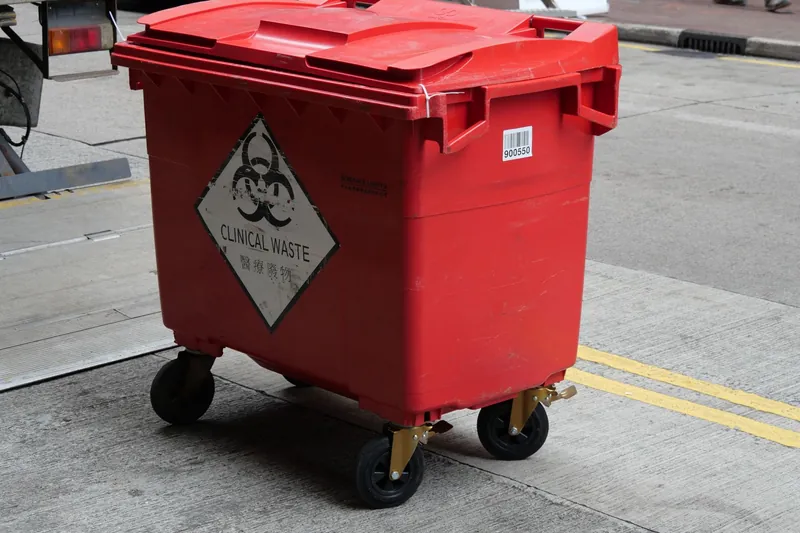
Local population patterns, housing and site access may affect how containment and cleanup are planned.
At 71.1% renter occupancy, access rules and communication with building management can shape how quickly a contaminated area is isolated.
A 1969 median build year points to varied interior finishes, so each affected material needs its own cleaning or removal decision.
In Opa-locka, 805 older adults live alone, making privacy important when relatives, landlords, or building staff become involved.
At 40.5% single-family housing, crews should confirm entrances, neighboring units, and ventilation before setting the cleanup boundary.
During your call, ask whether cleanup is available in surrounding communities and ZIP codes.
Trauma scene cleanup after accidents, injuries and violent events.
See trauma scene cleanup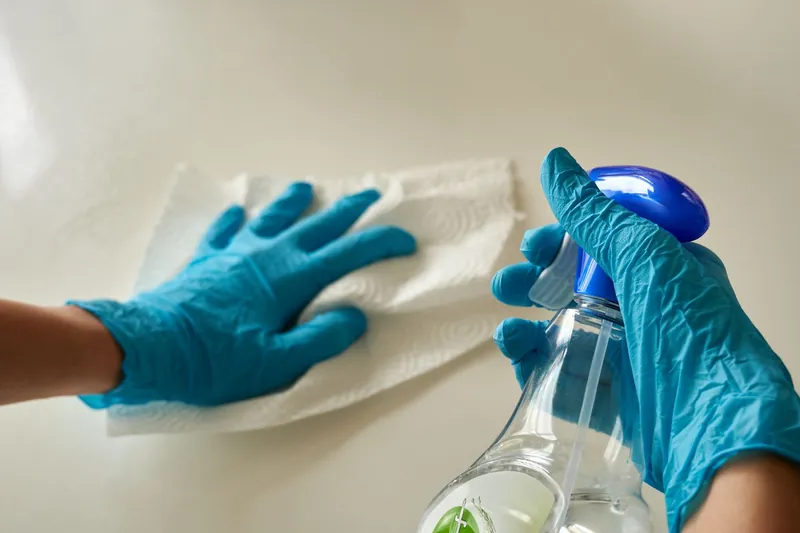
Blood cleanup on carpet, hard floors, walls and furniture with safe disposal.
See blood cleanup
Blood spill cleanup removes spills of any size, including fresh and dried blood.
See blood spill cleanup
Blood cleanup controls exposure to HIV as well as hepatitis B and hepatitis C.
See bloodborne pathogen cleanup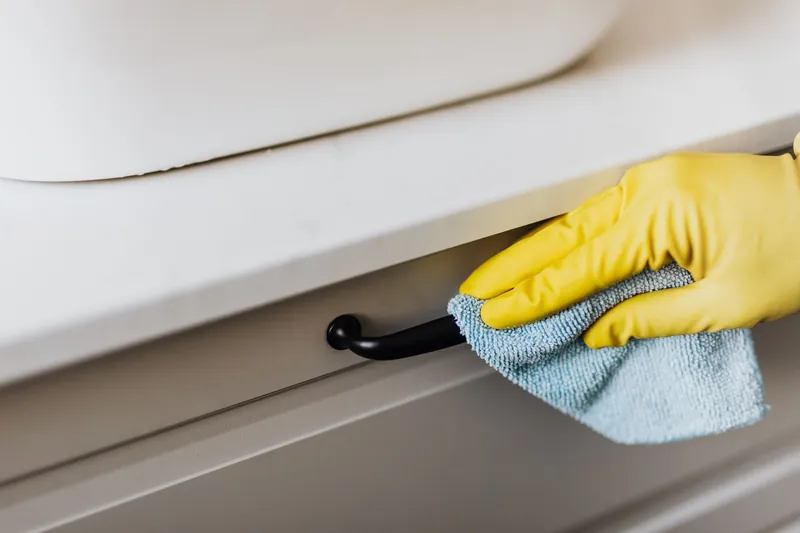
Homes, care environments and businesses receive bodily fluid cleanup and disinfection.
See bodily fluid cleanup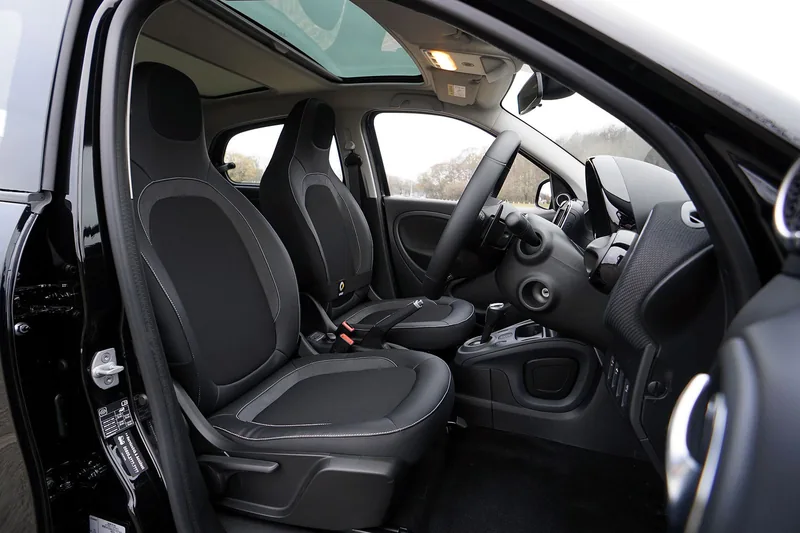
Biohazard cleanup covers vehicles including cars, trucks, recreational vehicles and boats.
See vehicle biohazard cleanup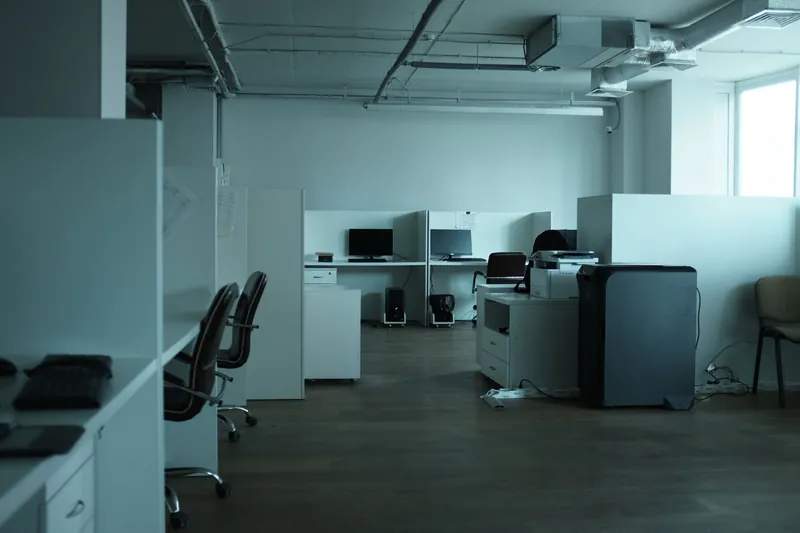
Workplace biohazard cleanup addresses office injuries and exposure incidents at work.
See office and workplace biohazard cleanup
Biohazard waste pickup and disposal in sealed, labeled containers.
See biohazard waste disposalEmergency crews focus on medical care, rescue and public safety. Their duties typically exclude biohazard cleanup of the property. Whoever is responsible for the vehicle, home, public space or jobsite arranges the cleaning service following emergency work and a law enforcement release when needed.
It may. Coverage depends on the event, the location, the policy and the party responsible for the property. When calling the insurance company, explain the accident and ask whether coverage includes restoration, biohazard cleanup and material removal. Retain any adjuster-requested waste documentation, pictures, invoices and your claim number.
Remain away from the restricted work zone. Leaving the entire property may depend on where the accident occurred, how gear and sealed waste will move, and which cleaning methods are used. The cleanup team should explain access limits before work begins and update you when the area can be used again.
Only limited contamination that can be reached through every layer may allow carpet cleaning. If blood reaches padding or the subfloor, removal of the impacted carpet and pad is generally needed before cleaning and disinfecting the lower layer. The decision ultimately rests on the material type and how deeply it absorbed fluid.
Care of the person falls to medical personnel or the medical examiner, and the property requires separate cleaning. An appropriate party, such as the property, business or vehicle owner, coordinates death cleanup following release of the scene. Professionals remove blood and contaminated materials with care for personal property and the space.
Use soap and water to wash exposed skin immediately. If blood entered your nose, mouth or eyes, rinse them using clean water. After blood contacts broken skin, the eyes, nose or mouth, or after a needlestick, get medical advice without delay. Tell the clinician how and when the exposure happened so you can receive appropriate guidance.
Respectful, discreet accident and injury scene cleanup is available 24 hours a day, and crews arrive in unmarked vehicles.